
Exploring Indian-Cambodian Cultural Heritage Tours
India and Cambodia, two countries rich in history and culture, offer a unique opportunity for travelers to explore their intertwined heritage. From ancient temples to vibrant festivals, the cultural connections between these nations are profound and fascinating. This blog post will guide you through the highlights of Indian-Cambodian cultural heritage tours, showcasing the experiences that await you.

The Historical Ties Between India and Cambodia
The relationship between India and Cambodia dates back centuries, primarily influenced by the spread of Hinduism and Buddhism. Indian traders, scholars, and monks traveled to Southeast Asia, bringing with them not only their religious beliefs but also their art, architecture, and culture.
The Influence of Hinduism and Buddhism
Hinduism: The Khmer Empire, which ruled Cambodia from the 9th to the 15th centuries, was heavily influenced by Hinduism. Temples like Angkor Wat were originally dedicated to the Hindu god Vishnu and showcase intricate carvings depicting Hindu mythology.
Buddhism: As Buddhism spread, it became a significant part of Cambodian culture. The influence of Indian Buddhist art can be seen in various temples and sculptures throughout the country.
Key Historical Sites
Angkor Wat: This UNESCO World Heritage site is the largest religious monument in the world. Originally built as a Hindu temple, it later transformed into a Buddhist temple. The stunning architecture and intricate bas-reliefs tell stories of both Hindu and Buddhist traditions.
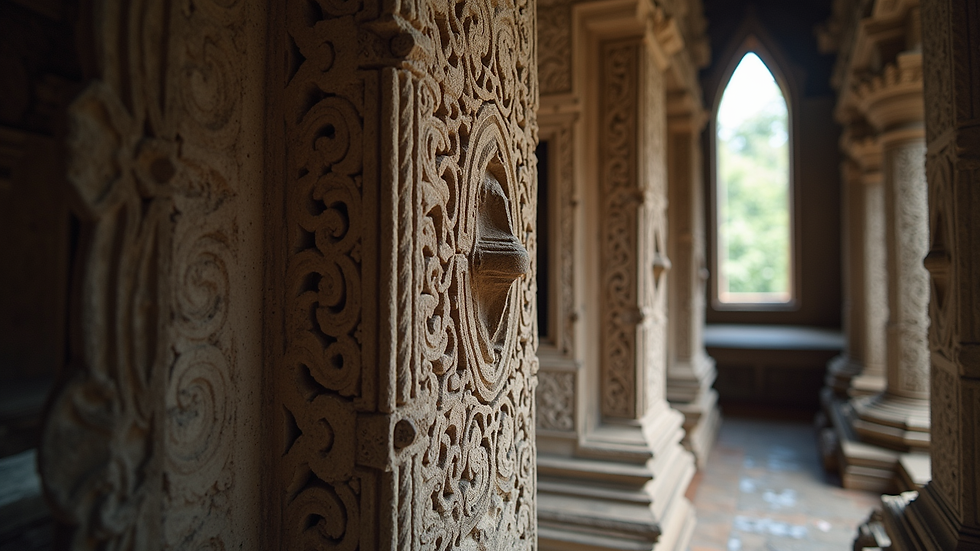
Banteay Srei: Known as the "Citadel of Women," this temple is famous for its detailed carvings and pink sandstone. It is a prime example of the artistic excellence of the Khmer Empire, influenced by Indian art.
Preah Vihear Temple: Located on a 525-meter cliff in the Dângrêk Mountains, this temple complex is dedicated to the Hindu god Shiva. Its architecture reflects the influence of Indian temple design.
Cultural Heritage Tours: What to Expect
When embarking on an Indian-Cambodian cultural heritage tour, travelers can expect a blend of historical exploration, culinary experiences, and local interactions. Here’s what you can look forward to:
Guided Tours of Historical Sites
Most tours include visits to significant temples and historical sites. Knowledgeable guides provide insights into the history and cultural significance of each location. Expect to learn about:
The architectural styles and their evolution over time.
The stories behind the carvings and sculptures.
The rituals and practices associated with each site.
Culinary Experiences
Food is an integral part of cultural heritage. Indian-Cambodian tours often include culinary experiences where travelers can:
Participate in cooking classes to learn traditional recipes.
Enjoy meals at local restaurants that serve authentic dishes from both cultures.
Experience street food tours that highlight local flavors and ingredients.
Cultural Festivals
Timing your visit to coincide with local festivals can enhance your cultural experience. Some notable festivals include:
Diwali: The Festival of Lights, celebrated by the Indian community in Cambodia, features vibrant decorations, fireworks, and traditional sweets.
Khmer New Year: This three-day celebration in April includes traditional games, dances, and rituals that reflect Cambodian culture.
Practical Tips for Travelers
To make the most of your Indian-Cambodian cultural heritage tour, consider the following tips:
Best Time to Visit
The ideal time to visit Cambodia is during the dry season, from November to February. The weather is cooler and more comfortable for exploring temples and outdoor activities.
Dress Code
When visiting temples, it’s essential to dress modestly. Wear clothing that covers your shoulders and knees. Comfortable shoes are also recommended, as you will be doing a lot of walking.
Language and Communication
While English is widely spoken in tourist areas, learning a few basic phrases in Khmer can enhance your interactions with locals. Simple greetings and expressions of gratitude go a long way.
Currency and Payments
The official currency in Cambodia is the Cambodian Riel, but US dollars are widely accepted. It’s advisable to carry small denominations for local purchases.
Conclusion: Embrace the Journey
Exploring the cultural heritage of India and Cambodia offers a unique perspective on the historical ties that bind these two nations. From the majestic temples of Angkor Wat to the vibrant flavors of local cuisine, each experience enriches your understanding of their intertwined histories.
As you plan your journey, remember to immerse yourself in the local culture, engage with the people, and savor every moment. Whether you are a history buff, a foodie, or simply seeking adventure, an Indian-Cambodian cultural heritage tour promises to be a memorable experience.
So pack your bags, prepare your camera, and get ready to explore the rich tapestry of Indian and Cambodian heritage!

Comments