
Preserving Our History: Indian-Cambodian Heritage Initiatives
The rich tapestry of history that binds India and Cambodia is not just a relic of the past; it is a living testament to the cultural exchanges that have shaped both nations. As globalization accelerates, the need to preserve this heritage becomes increasingly urgent. Various initiatives are underway to safeguard the historical and cultural connections between India and Cambodia, ensuring that future generations can appreciate and learn from this shared legacy.
The Historical Context
Ancient Connections
The relationship between India and Cambodia dates back to ancient times, primarily through the spread of Hinduism and Buddhism. Indian traders, monks, and scholars traveled to Southeast Asia, bringing with them not only religious beliefs but also art, architecture, and language. The influence of Indian culture is evident in Cambodia's temples, particularly Angkor Wat, which was originally dedicated to the Hindu god Vishnu.
Cultural Exchange
This cultural exchange was not a one-way street. Cambodian art and architecture have also influenced Indian culture, particularly in the realms of sculpture and temple design. The Khmer Empire, which flourished from the 9th to the 15th centuries, was a significant player in this exchange, creating a unique blend of Indian and local traditions.
Current Heritage Initiatives
Government Efforts
Both the Indian and Cambodian governments recognize the importance of preserving their shared heritage. Initiatives include:
Cultural Agreements: Bilateral agreements have been established to promote cultural exchanges, including art exhibitions, dance performances, and academic collaborations.
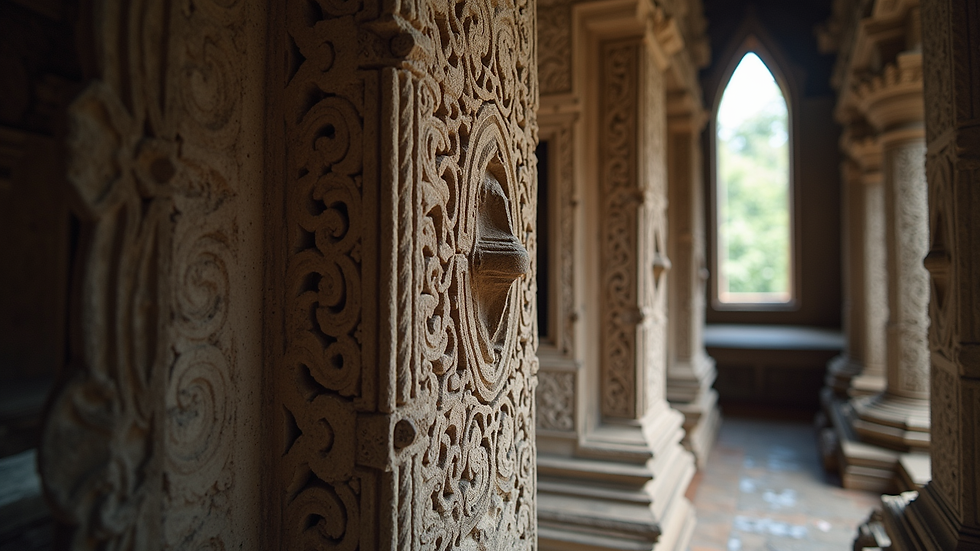
Restoration Projects: The restoration of ancient temples and monuments is a priority. For example, the Indian government has been involved in the restoration of the Banteay Srei temple, known for its intricate carvings.
Non-Governmental Organizations
Numerous NGOs are also playing a crucial role in heritage preservation. Organizations like the Indian Council for Cultural Relations (ICCR) and the Cambodian Ministry of Culture and Fine Arts work together to organize cultural festivals and workshops that celebrate the shared history.
Educational Programs
Academic Collaborations
Universities in both countries are increasingly collaborating on research projects that focus on historical studies, archaeology, and cultural preservation. These partnerships aim to foster a deeper understanding of the historical ties between India and Cambodia.
Cultural Workshops
Workshops that teach traditional crafts, dance, and music are being organized to engage younger generations. These programs not only help preserve traditional skills but also foster a sense of pride in cultural heritage.
Challenges in Preservation
Urbanization and Development
Rapid urbanization poses a significant threat to heritage sites. As cities expand, many historical sites are at risk of being overshadowed or destroyed. Efforts must be made to balance development with preservation.
Funding and Resources
Limited funding for heritage projects can hinder preservation efforts. Both governments and NGOs must seek innovative solutions to secure the necessary resources for ongoing initiatives.
The Role of Technology
Digital Preservation
Advancements in technology offer new avenues for heritage preservation. Digital archiving and 3D modeling can help document and preserve sites that are at risk. For instance, virtual tours of Angkor Wat allow people worldwide to experience its beauty without physically visiting.
Social Media Awareness
Social media platforms are being used to raise awareness about heritage preservation. Campaigns that highlight the importance of cultural heritage can engage younger audiences and encourage them to participate in preservation efforts.
Community Involvement
Local Engagement
Community involvement is crucial for the success of heritage initiatives. Local communities are often the best custodians of their cultural heritage. Engaging them in preservation efforts ensures that traditions are passed down through generations.
Volunteer Programs
Volunteer programs that invite individuals to participate in restoration projects can foster a sense of ownership and responsibility towards cultural heritage. These programs often attract both locals and international volunteers, creating a diverse community dedicated to preservation.
Conclusion
The preservation of Indian-Cambodian heritage is a multifaceted endeavor that requires collaboration between governments, NGOs, educational institutions, and local communities. By recognizing the importance of this shared history and actively working to protect it, we can ensure that future generations will continue to appreciate and learn from the rich cultural tapestry that binds India and Cambodia.
As we move forward, it is essential to support initiatives that promote cultural exchange and heritage preservation. Whether through education, community involvement, or technological advancements, every effort counts in safeguarding our shared history. Let us take action today to ensure that the legacy of our ancestors endures for generations to come.


Comments