
The Shared Spirituality of India and Cambodia
The spiritual landscapes of India and Cambodia are rich and diverse, shaped by centuries of history, culture, and belief systems. Both countries, though geographically distant, share profound spiritual connections that have influenced their societies, art, and daily lives. This blog post explores the intertwining spiritual traditions of India and Cambodia, highlighting their similarities, differences, and the ways in which they continue to resonate with people today.
Historical Context
Ancient Roots
India is often regarded as the birthplace of several major religions, including Hinduism, Buddhism, and Jainism. These religions have not only shaped Indian culture but have also spread across Asia, influencing neighboring countries, including Cambodia.
Cambodia, on the other hand, was significantly influenced by Indian culture through trade and the spread of Hinduism and Buddhism. The Khmer Empire, which flourished from the 9th to the 15th centuries, adopted many Indian religious practices, leading to a unique blend of beliefs that still exist today.
The Spread of Buddhism
Buddhism, which originated in India in the 5th century BCE, made its way to Cambodia around the 1st century CE. The teachings of Siddhartha Gautama (Buddha) resonated deeply with the Cambodian people, leading to the establishment of Theravada Buddhism as the dominant religion in the country.
In India, Buddhism experienced a decline but has seen a resurgence in recent years, with many people exploring its teachings and practices. This shared history of Buddhism creates a spiritual bridge between the two nations.
Spiritual Practices
Hinduism in India
Hinduism is characterized by a variety of rituals, beliefs, and practices. Key elements include:
Puja (Worship): Daily rituals performed at home or in temples, involving offerings to deities.
Festivals: Celebrations such as Diwali and Holi, which are vibrant expressions of faith and community.
Yoga and Meditation: Practices aimed at achieving spiritual enlightenment and physical well-being.
Buddhism in Cambodia
In Cambodia, Buddhism is practiced in a way that reflects local customs and traditions. Key aspects include:
Monastic Life: Monks play a vital role in Cambodian society, providing spiritual guidance and education.
Rituals and Offerings: Daily offerings to monks and spirits are common, reflecting a blend of Buddhist and animist beliefs.
Festivals: Events like Pchum Ben, a festival honoring ancestors, showcase the deep respect for lineage and spirituality.
Intersections of Belief
Despite their differences, both Hinduism and Buddhism emphasize the importance of compassion, mindfulness, and the pursuit of enlightenment. This shared focus on spiritual growth fosters a sense of connection between the two cultures.
Art and Architecture
Temples and Sacred Sites
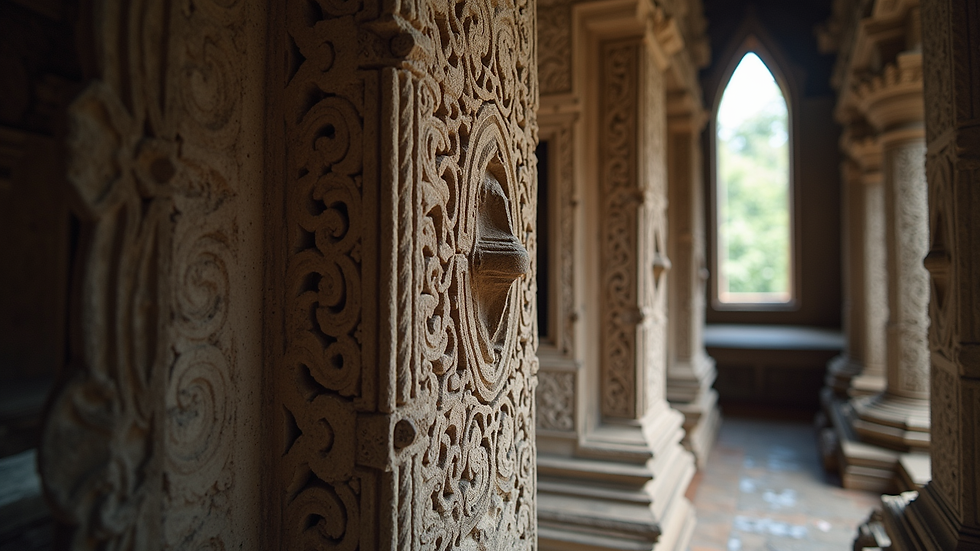
The architectural marvels of both India and Cambodia reflect their spiritual heritage.
India: The intricate carvings of temples like the Brihadeeswarar Temple in Tamil Nadu and the Khajuraho group of temples showcase the artistic expression of Hindu beliefs.
Cambodia: Angkor Wat, originally built as a Hindu temple, later transformed into a Buddhist site, exemplifies the fusion of Indian and Cambodian spirituality.

Symbolism in Art
Both cultures use symbolism extensively in their art. In India, deities are often depicted with multiple arms, representing their divine powers. In Cambodia, the Apsara dancers symbolize grace and beauty, often seen in temple reliefs. These artistic expressions serve as visual narratives of their spiritual beliefs.
Festivals and Celebrations
Shared Celebrations
Festivals in both countries are vibrant and filled with spiritual significance.
Diwali in India: Known as the Festival of Lights, Diwali celebrates the victory of light over darkness and good over evil. It involves lighting lamps, fireworks, and family gatherings.
Bon Om Touk in Cambodia: The Water Festival marks the end of the rainy season and celebrates the reversal of the Tonle Sap River. It features boat races and illuminations, reflecting the joy of community and gratitude.
Unique Traditions
While both countries celebrate similar themes of light, harvest, and community, their unique traditions add depth to their spiritual practices. For instance, the rituals performed during Diwali differ significantly from those during Bon Om Touk, showcasing the distinct cultural identities of each nation.
Modern Spirituality
Reviving Ancient Practices
In recent years, there has been a resurgence of interest in ancient spiritual practices in both India and Cambodia.
India: Yoga and meditation have gained global popularity, with many seeking spiritual and physical benefits. Retreats and workshops attract individuals from around the world, eager to connect with their inner selves.
Cambodia: The revival of traditional practices, such as meditation and mindfulness, is becoming more prevalent, especially among the younger generation. This reflects a desire to reconnect with their cultural roots.
Global Influence
The shared spirituality of India and Cambodia has also influenced global spiritual movements. Concepts such as mindfulness and meditation, rooted in Buddhist teachings, have found their way into Western practices, promoting a broader understanding of spirituality.
Conclusion
The spiritual landscapes of India and Cambodia are intertwined, reflecting a rich tapestry of beliefs, practices, and cultural expressions. From the ancient roots of Hinduism and Buddhism to the modern revival of spiritual practices, both countries continue to inspire individuals seeking deeper meaning in their lives.
As we explore these shared spiritualities, we are reminded of the universal quest for connection, understanding, and enlightenment. Whether through the intricate carvings of temples, the vibrant celebrations of festivals, or the peaceful practice of meditation, the spiritual journeys of India and Cambodia offer valuable insights into the human experience.
By embracing these shared traditions, we can foster a greater appreciation for the diverse paths that lead us toward spiritual fulfillment.

Comments